A coup d’état won't stop associations meeting in the US. Social media vetting might ...

The US military’s blitzkrieg against the Venezuelan government and the arrest of its leader, the dictator Nicolás Maduro, was the most dramatic moment so far in Trump the Sequel – but, despite the action, which some have described as an 'external coup', likely breaching international law, it is unlikely to have much effect on whether or not international associations choose to meet in the United States (US).
There has been speculation about how the Trump administration’s reshaping of the world order - combined with its domestic policy agenda - might deter international associations (those headquartered elsewhere) from convening in the US - but little concrete data to draw on so far.
Depending on their frequency and rotation patterns, Europe-based international associations might convene in North America once every four, or even eight, years. It is difficult, therefore, to get a clear picture of how US policy is affecting destination selection right now.
There are special cases, of course.
Surveys show Canadians – piqued by Donald Trump’s suggestion that Canada become the cherished 51st state – are boycotting conferences south of their border and it’s possible the Great White North could gain when association rotations swing round to North America.
If the US is serious about taking over Greenland – and it eventually does - it would doubtless provoke a boycott of the US by Danish conference delegates and their near neighbours in Europe.
But is a more widespread, silent boycott of the US by international associations already happening?
It’s a comforting idea for some; a refusal to convene under an administration whose policies they despise and whose withdrawal from multilateralism they distrust. It is also, in my view, pretty unlikely.
At least on ideological grounds.
International associations have a long history of meeting in countries whose human rights records would make Trump blush. They meet in countries that criminalise homosexuality, suppress free speech, jail journalists and treat women as second-class citizens – all without issuing think pieces about ‘whether now is the time to reconsider’.
Against that backdrop, the notion that the US has somehow put itself beyond the pale is hard to sustain. If associations were genuinely prepared to boycott destinations based on a progressive worldview, the conference circuit would be a very short one indeed: Scandinavia might prosper.
Associations are mission driven; they are also practical. They go where the infrastructure works, where there’s decent airlift, where the numbers add up (this last point is most likely to prove a stumbling block for associations looking to convene in the US – it’s relatively expensive!).
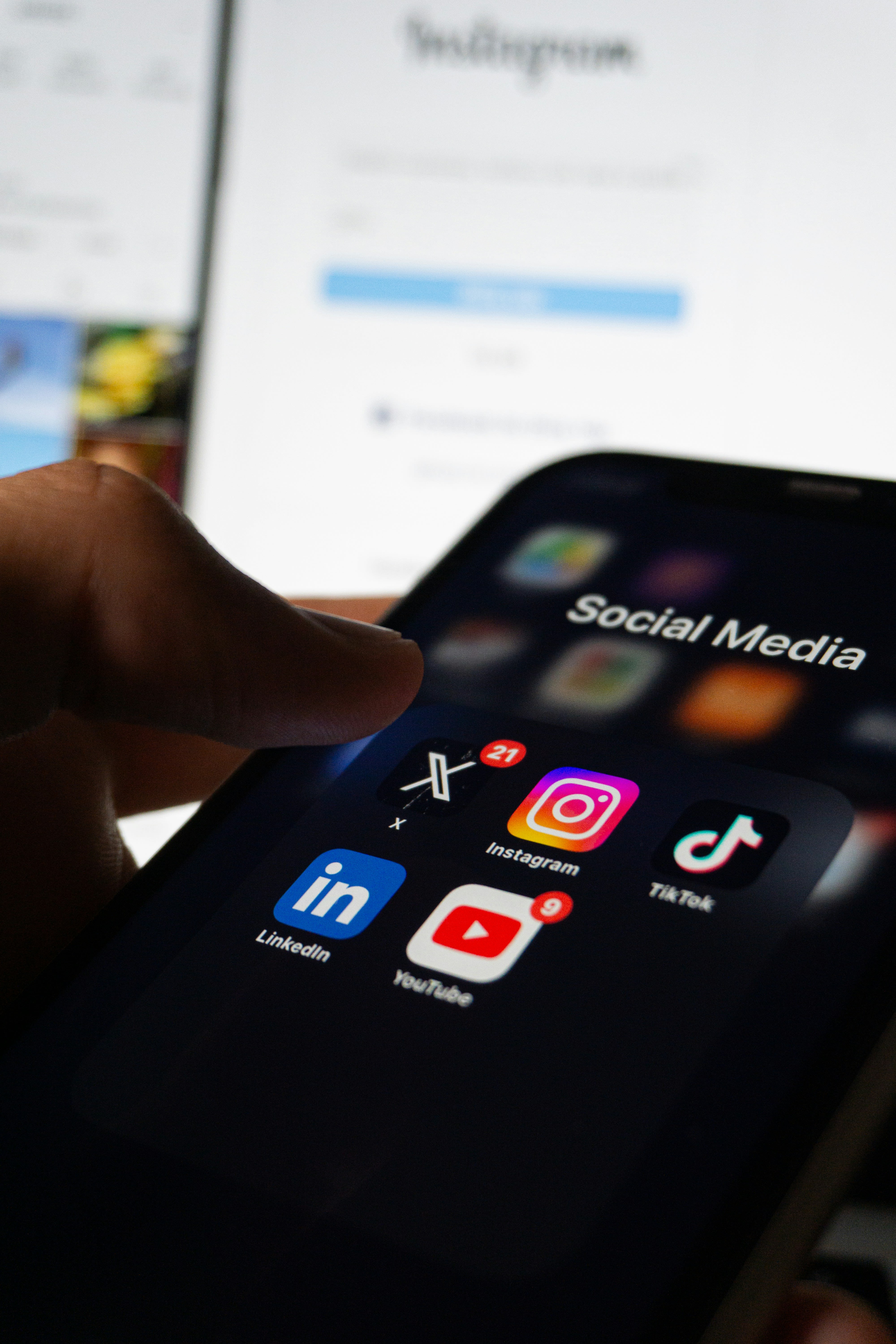
However, a new variable is on the horizon, that, were it to materialise, would surely hit closer to home - the proposed requirement for inbound travellers, visa needed or not, to submit up to five years of social media history. Under the new plan, ESTA applicants would also be required to submit social media usernames, email addresses and phone numbers used over the last five years, plus the names and birthdays of immediate family members. The idea, floated in December last year, should make associations sit up and take notice.
"That is how change happens in this sector. Not through grandstanding, but through attrition ...


For many delegates, speakers, and exhibitors, having their social media activity scrutinised by the US authorities would not be a minor inconvenience, but a red-line. Academics, researchers, NGO workers, journalists – the kinds of people who attend international association conferences – are often vocal online. Requiring them to hand over their social media history as a condition of entry would surely change the calculus.
Associations would be forced to ask: will our delegates feel safe? How should we advise them on entry requirements? What happens if our keynote speaker is denied entry or detained by border force?
These concerns translate directly into operational risk.
Attendance will drop if delegates decide it’s not worth the hassle. Programmes will suffer if speakers decline invitations. Sponsors will hesitate if footfall is uncertain. Suddenly, the destination choice looks much less sound, not because of politics per se, but because of friction.
That is how associations really make decisions.
It’s also why narratives about boycotts miss the point. Associations are not moral actors in the way some people might like them to be. They are membership organisations with budgets, boards and fiduciary responsibilities. In other words, they will endure a great deal of political discomfort before they willingly walk away from a market as important as the US.
But they will not ignore barriers that affect attendance and revenue.
If the US becomes harder to enter, more expensive to attend, and more personally risky for delegates, then – slowly, quietly – associations will adjust. Not with dramatic announcements, but with fewer RFPs, longer gaps between US-based meetings …
That is how change happens in this sector. Not through grandstanding, but through attrition.
Will international associations continue to meet in the US? Yes. Will they do so unconditionally, regardless of policy choices that affect their delegates directly? That’s a different question.